

When it is about children’s play, we often focus on construction, building, creating, and producing something new. These experiences are undeniably important. However, the power of destructive and deconstructive play can be equally valuable. It offers children rich opportunities to explore, experiment, problem-solve, and understand how things work.
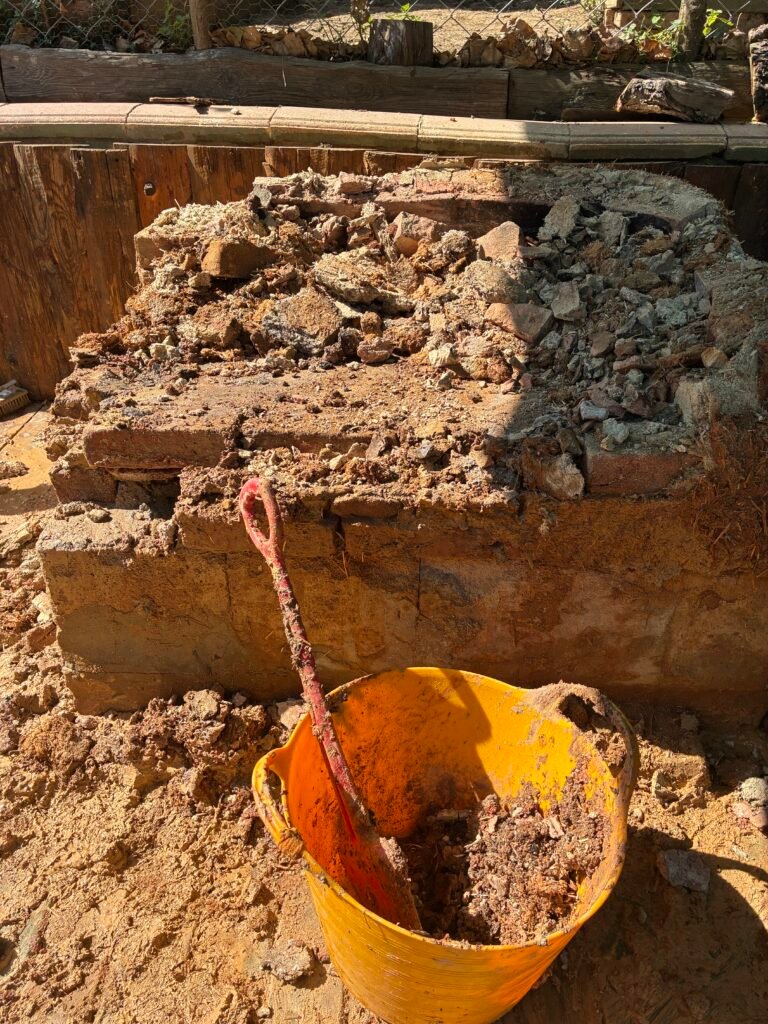
At OSİ, we were reminded of this once again when the children independently started one of their favorite year-long projects: breaking down the adobe houses in our garden. This example powerfully illustrates the power of destructive and deconstructive play among children.
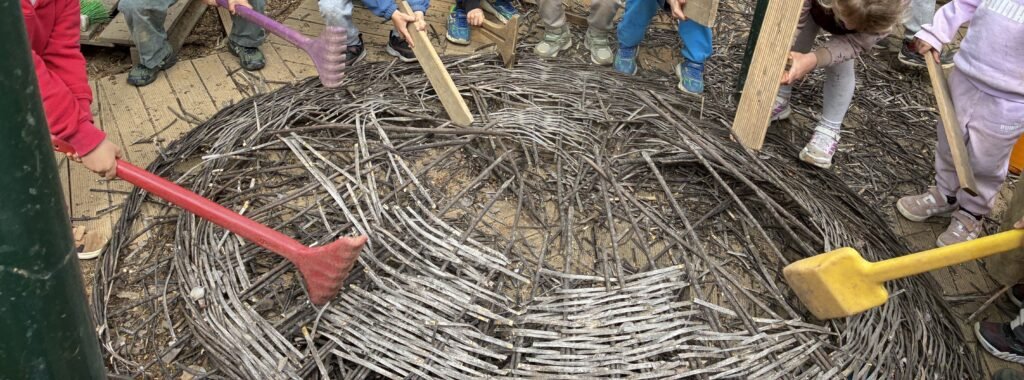
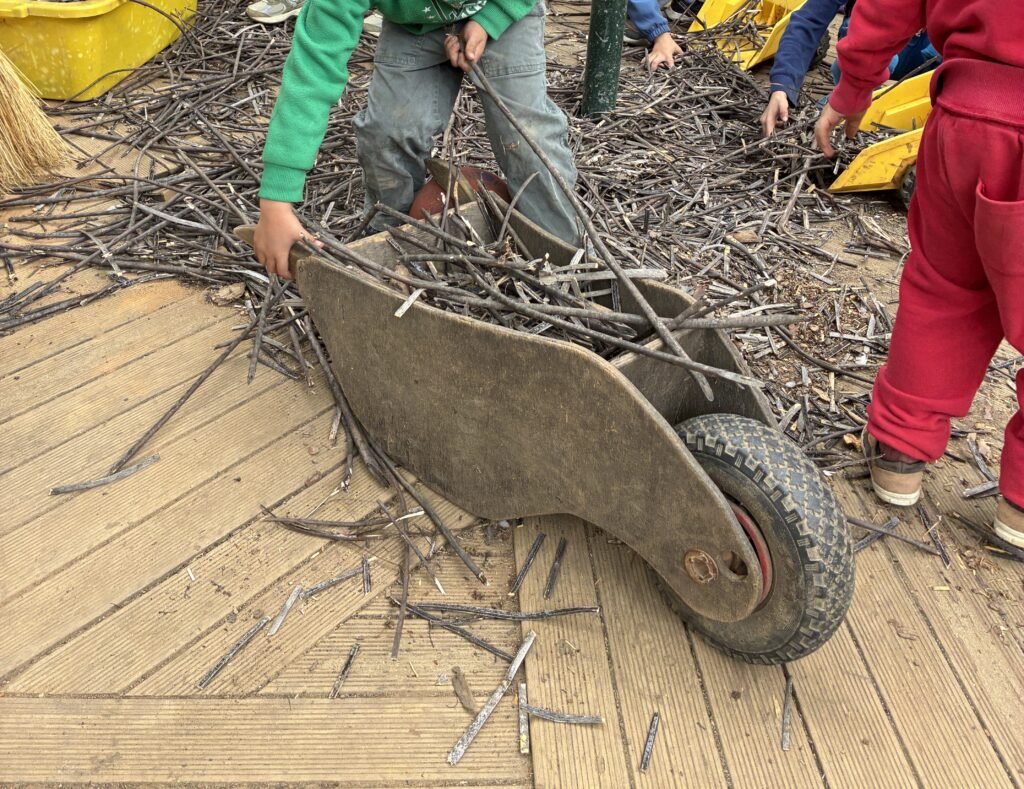
Using shovels, wooden boards, sticks, logs, water, and many other materials they found in the garden, the children experimented with different ways of breaking, melting, and removing the adobe walls. They manipulated and transformed the house materials—straw, soil, and water—in different ways.
What began as simple destructive play quickly turned into an engineering project.
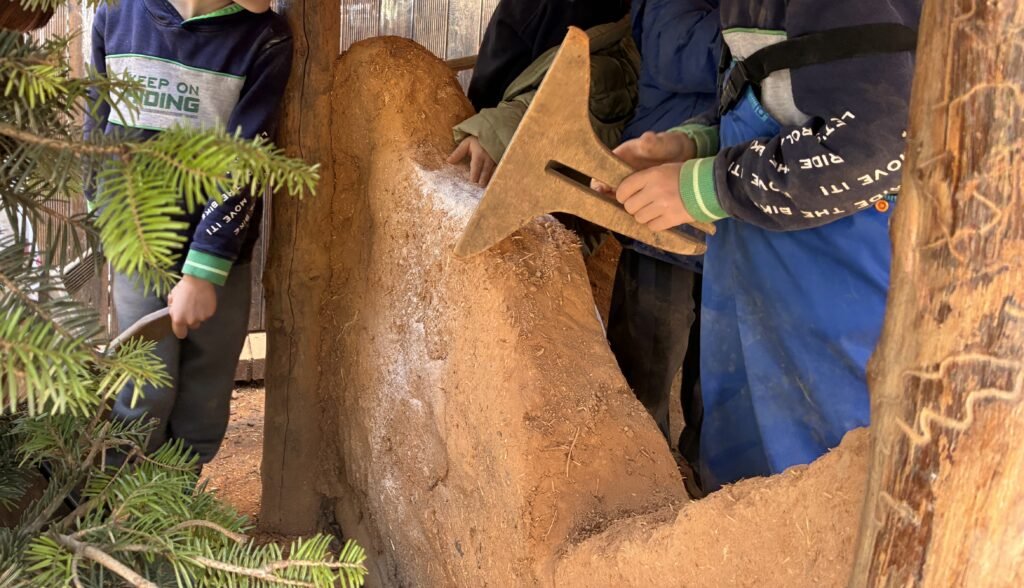
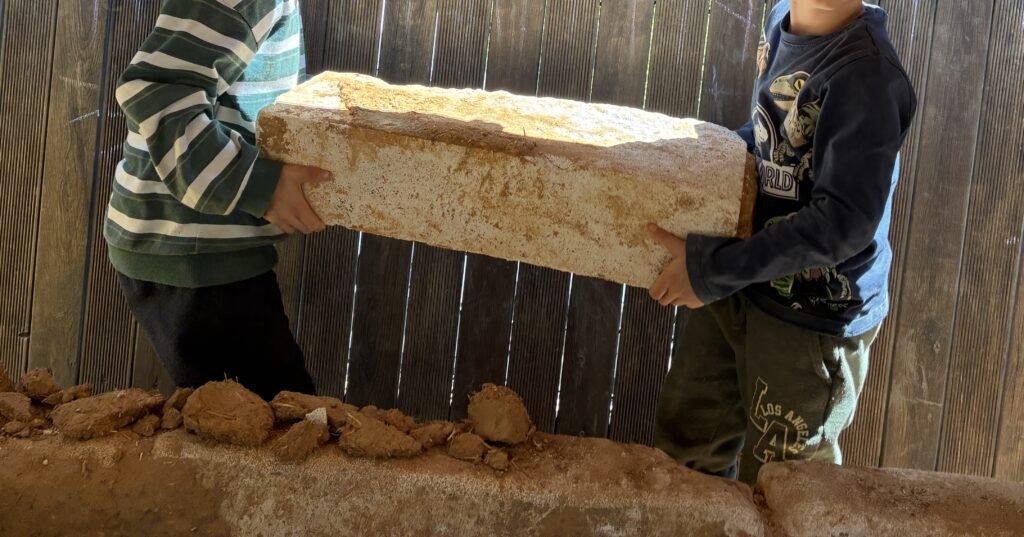
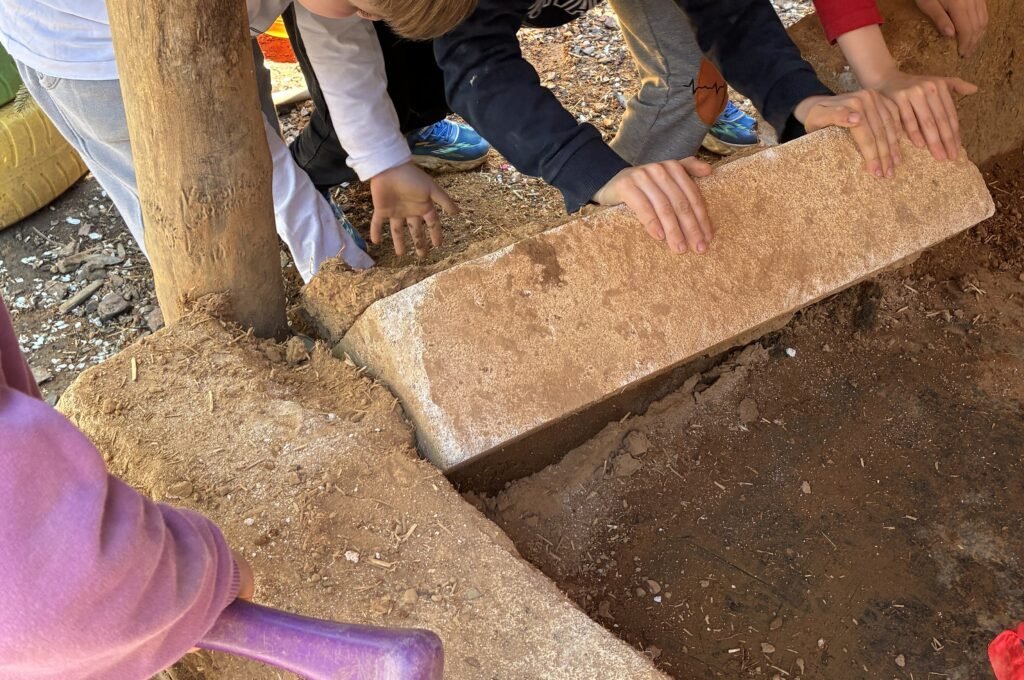
Children of different ages formed teams and worked together day after day. They discussed strategies, selected tools, tested different methods, and celebrated every time another section of the wall came down. Their excitement reminded us that learning does not always have to end with creating something. Sometimes, taking something apart can be just as educational as putting something together. In many ways, this process is a form of reverse engineering. By taking a structure apart, children begin to understand how it was originally built (also by the children), which materials were used, how strong different parts are, and what happens when those materials interact with water, force, tools, and time. It is a project that takes almost the whole year and it needs a lot of patience, determination and hard work!
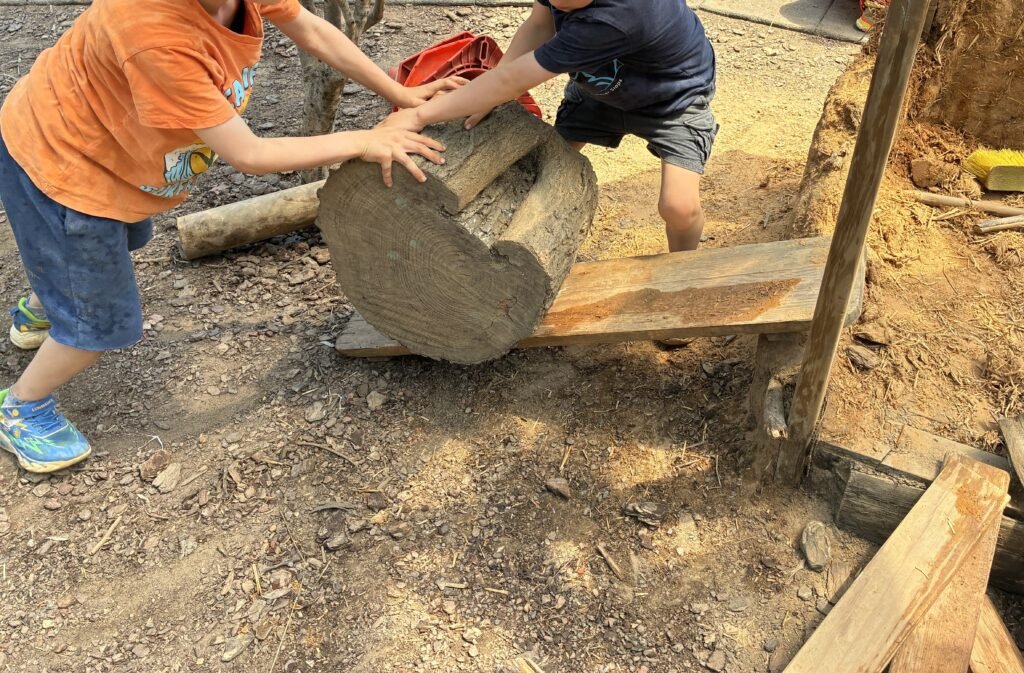
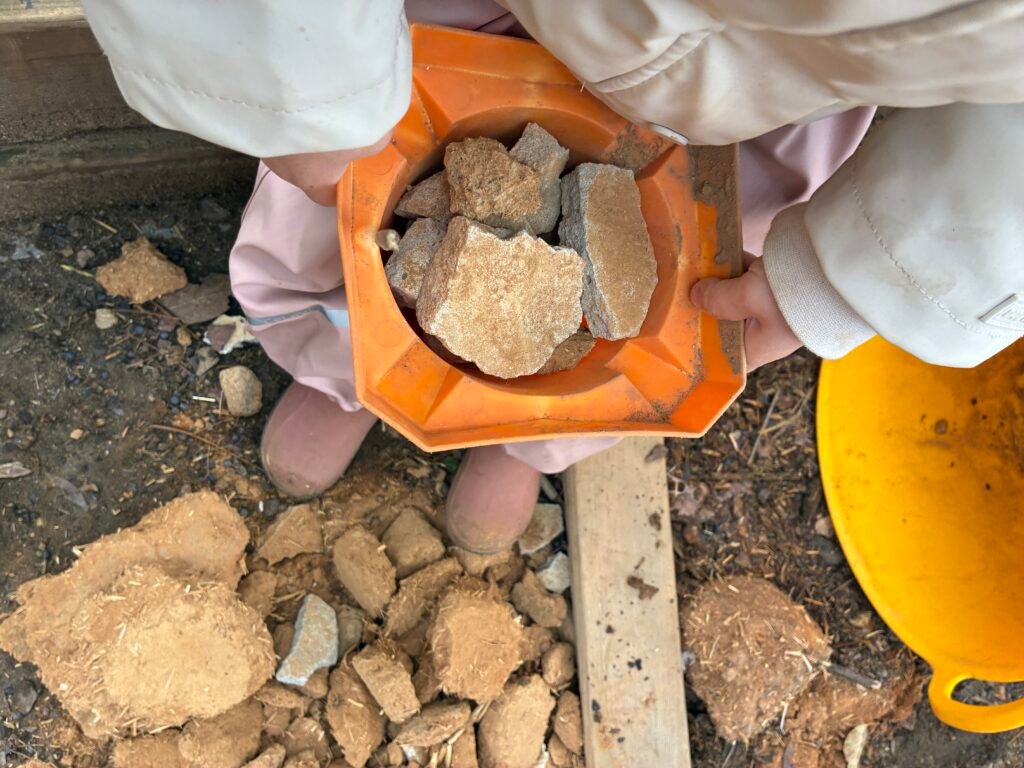
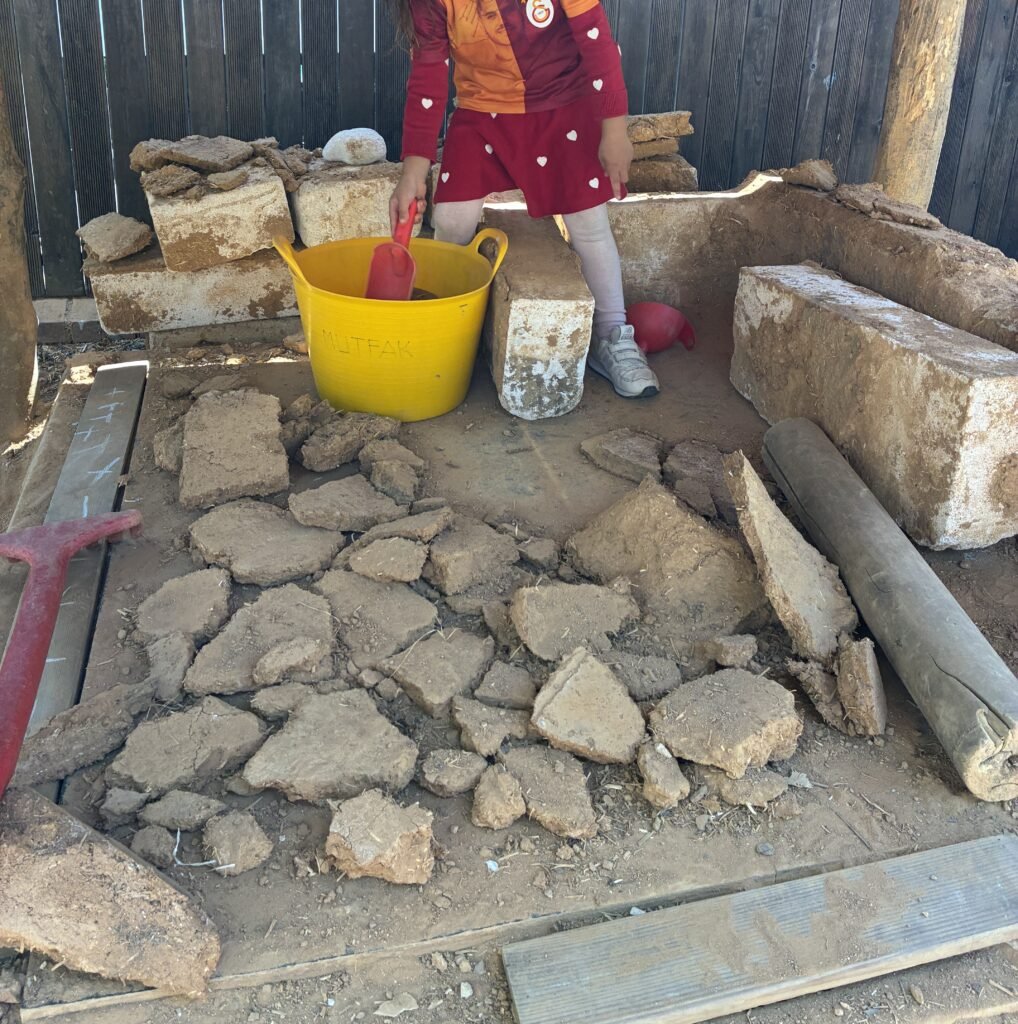
Destructive & Deconstructive play can also be sensory, emotional, experimental, and simply enjoyable. In fact, The Power of Destructive and Deconstructive Play shines when children joyfully engage with these experiences on many levels.
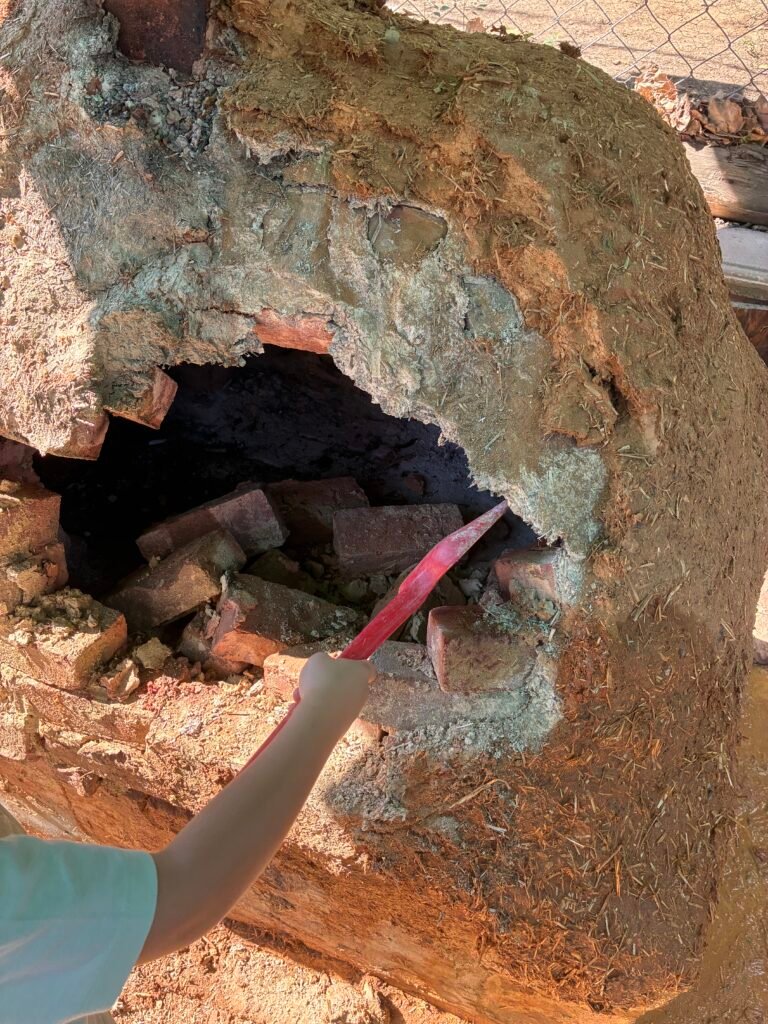
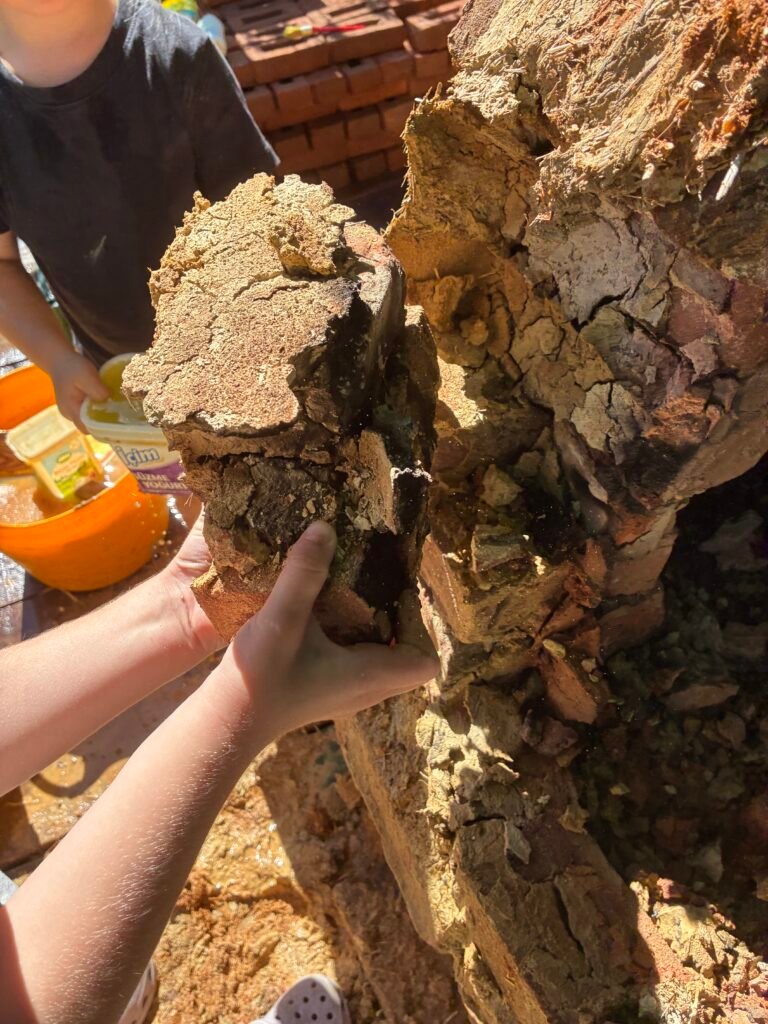
Our adobe oven is another example. Every year, the children break it down, soften the material with water, and rebuild it. This allows new children to learn how to construct an adobe oven, while children who have already experienced the process can take more responsibility and guide others.
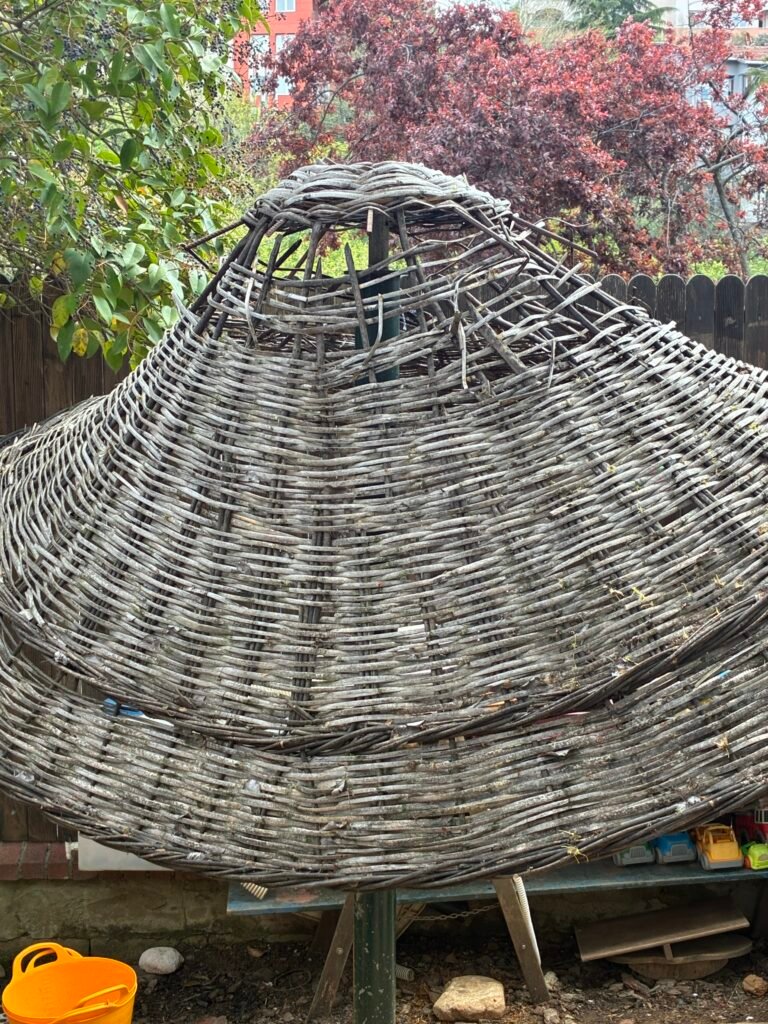
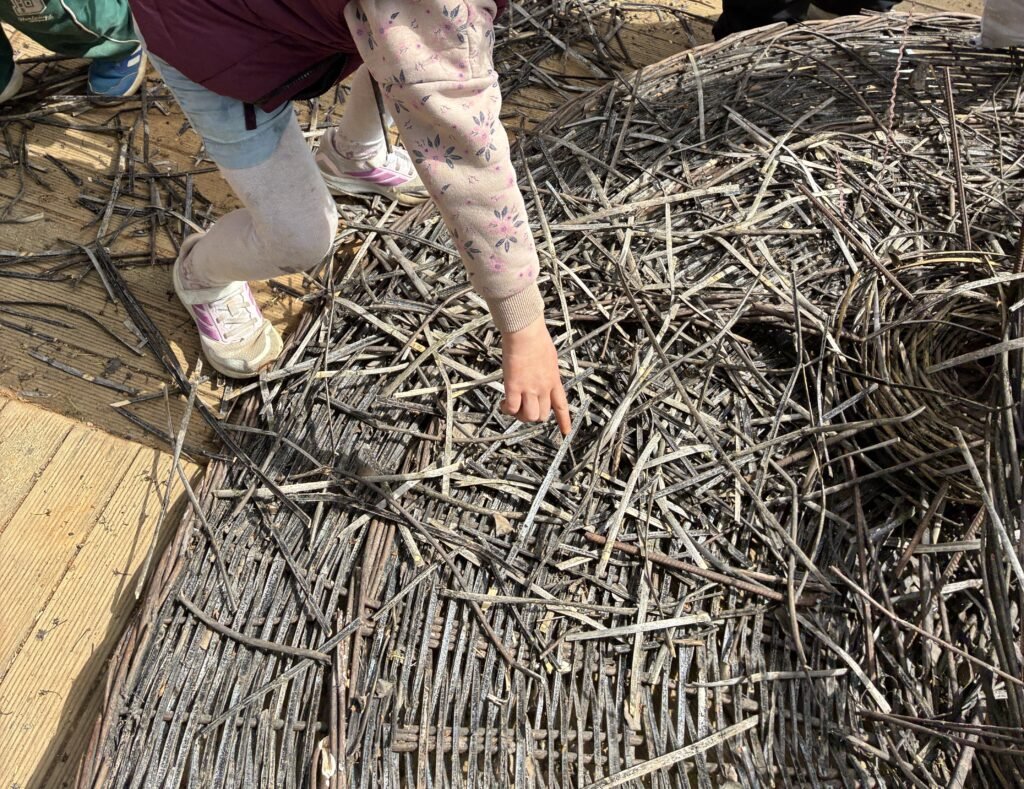
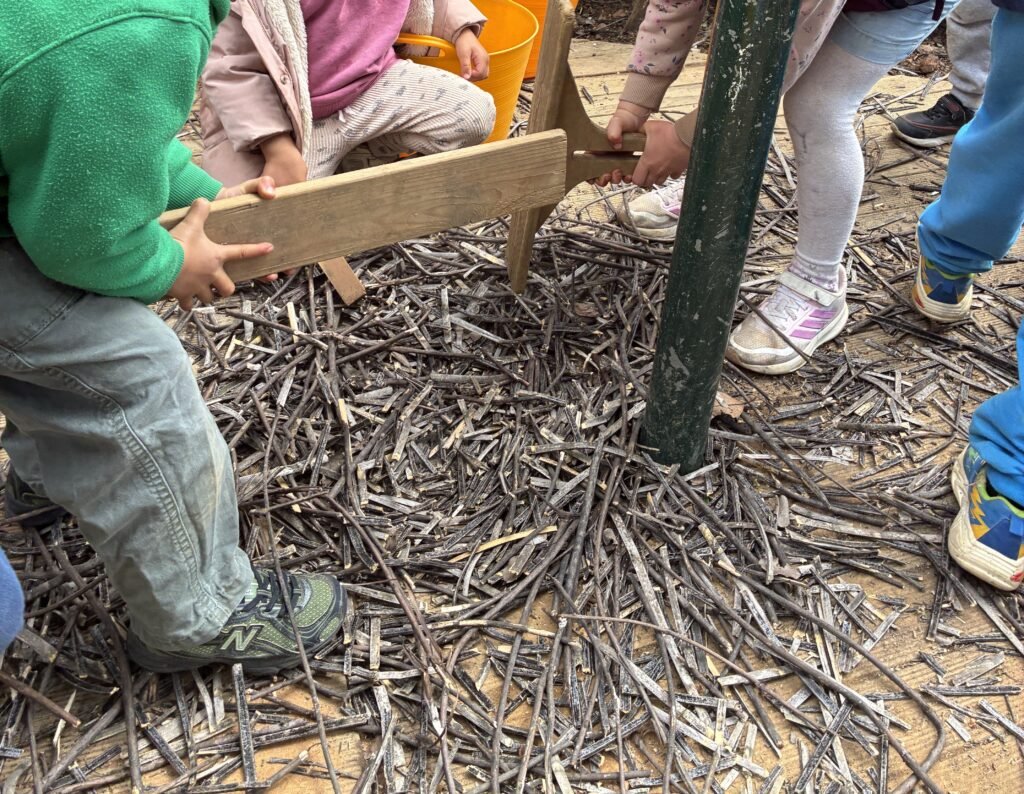
During the year, other materials also offered similar opportunities. Our old bamboo garden umbrella had become worn and unusable. Instead of simply throwing it away, the children worked together with different tools to dismantle it. They broke the bamboo into smaller pieces so that we can burn them in our oven. Once again, an object that had reached the end of its original purpose became a new learning opportunity.
These experiences have left us with another important question:
Where else can children benefit from deconstructing things?
Old electronic devices, woven structures, furniture, natural materials, mechanical objects, and many other everyday items can offer children opportunities to investigate how things are made and how they work.
At OSİ, we will continue asking these questions, offering children materials they can manipulate, transform, dismantle, and rebuild.
Because sometimes we need to ask “What happens if we take it apart?”
Tuğçe Kasap Bilaloğlu